 EN
EN  SK
SK 

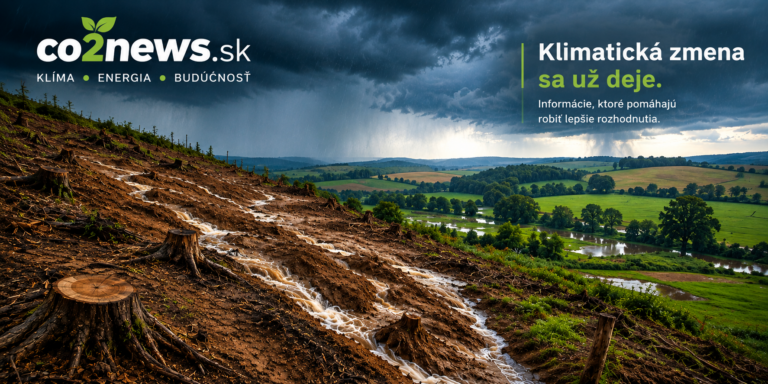
Strategic document Vision Slovakia 2040 It sets out a clear path to a sustainable future: achieving a 90 percent reduction in emissions, consistent adaptation to climate change, ecosystem restoration, and a transparent state. However, the legislative reality of 2024 and 2025 is taking a completely different direction.
Nature protection, tree felling and the water regime of the landscape
- Vision 2040 goals and indicators:
- Complete adaptation to climate change, significantly increase water retention in the country, restore ecosystems, and consistently apply the Nature Conservation Act throughout the territory.
- Promote nature-based forest management, restore animal migration corridors, reduce landscape fragmentation, and increase the share of ecosystems in favorable condition.
- Actual legislative regulation (Act No. 202/2024 Coll.):
- Section 47(4)(a): Increased the limits for felling trees without a felling permit – beyond the borders of built-up areas of municipalities up to the circumference of the trunk 90cm and for shrubby growth up to an area of 200 m². In the built-up area of municipalities, the limits were increased to 60cm (on land designated for development) and 80cm (on other lands).
- Section 47(4)(k, l): Abolished the requirement for a felling permit for shrubbery in vineyards and on sloping terraces of orchards and vineyards.
- Section 47(10): When announcing felling in the 2nd and 3rd levels of protection, he introduced the fiction of consent – if the nature conservation authority does not respond within 15 working days of receipt of the notification, the felling is considered approved.
- Direct contradiction: Removing riparian vegetation, ungrazed riparian areas, and windbreaks without a permitting process accelerates water runoff from the landscape, reduces soil moisture, promotes soil erosion, and directly removes elements of blue-green infrastructure.
2. Protection of national parks and protected habitats
- Vision 2040 Goals:
- Improve the protection of primary and climax forests, increase ecosystem connectivity, and ensure the protection of rivers and protected wetlands.
- Parliamentary proposal for an amendment to the Nature Conservation Act:
- It repeals the requirement that 75 % national park areas was moving towards a no-intervention regime, thus opening up space for more extensive and long-term logging in national parks.
- Allows hunting permit in protected wetlands in the 4th level of protection (e.g. on the Sĺňava or Orava Dam), which threatens the disturbance and extinction of rare bird nesting colonies.
- Direct contradiction: These modifications threaten species diversity, reduce the proportion of undisturbed areas and expose endangered wetlands to risks, which contradicts commitments to restore biodiversity and stabilize natural capital.
3. Environmental Impact Assessment (EIA) and RES development
- Vision 2040 Goals:
- Sustainable landscape: Massive development of photovoltaic, wind and renewable energy sources (RES) with the aim of reducing greenhouse gas emissions by 90 % by 2040.
- Modern state: Participatory public policy-making, predictable regulation and open public participation in decision-making.
- Amendment to the EIA Act:
- Unified permitting: Combines the processes of EIA, construction procedure and integrated prevention (IPKZ) into one procedure, where the Slovak Environmental Inspection (SIŽP) acts as a special construction authority.
- Public interest and deadlines: Designates wind and photovoltaic power plant projects as projects of public interest and introduces a deadline for issuing a decision within 60 days from the oral hearing.
- Double-edged effect / Contradiction: While accelerating processes supports the construction of RES, the combination of procedures and strict deadlines limits the time for public comment and civic initiatives. This runs counter to the requirement for participation and transparency in public administration.
4. Water management, agriculture and food security
- Vision 2040 goals and indicators:
- Increase the share of organically managed land from 12.9 % and increase the rate of production self-sufficiency (e.g. for vegetables from 25.3 % or fruit from 29.5 %).
- Protect agricultural land from erosion, encroachment and loss of organic matter and ensure an increase in minimum ecological flows.
- Impact of legislative changes:
- Uncontrolled felling of trees in the agro-landscape (§ 47) leads to a decreasing ability of the soil to retain moisture during heat waves, which, with a predicted increase in temperatures of 1.0–1.5 °C, threatens the fertility of the southern regions.
- The loosening of felling on terraced orchards and vineyards causes the loss of natural windbreaks and pollinator habitats.
Summary comparison table
| Area / Topic | Indicator / Vision 2040 Goal | Legislative regulation (2024–2025) | Conflict evaluation |
|---|---|---|---|
| Tree felling & landscape elements | Reducing landscape fragmentation, supporting blue-green infrastructure | Felling of trees up to 90 cm in circumference and shrubs up to 200 m² outside the municipality without a permit | High discrepancy: Risk of accelerated water runoff, erosion and loss of green features. |
| No-interference areas in the National Park | Protection of forests, rivers, wetlands and restoration of ecosystems | Cancellation of 75 % no-interference target, permitting hunting in wetlands | High discrepancy: Opening national parks to mining and endangering nesting habitats. |
| Decision-making of the nature protection authority | Consistent application of the Nature Conservation Act and strengthening professional capacities | Fiction of consent for fellings in the 2nd and 3rd levels of protection within 15 days | High discrepancy: Weakening of professional assessment by state nature conservation. |
| Renewable Energy Licensing & EIA | Emission reduction by 90 % by 2040 + public participation | Unified permitting of RES, 60-day deadlines, limitation of comments | Partial contradiction: Accelerating RES vs. weakening public participation in decision-making. |
JRi&CO2AI

